Hot Tub Removal in Seattle
An old spa can occupy the most useful part of a deck or patio. PrimeDump starts with the tub, its setting, and the route out so the estimate reflects the work on your property.
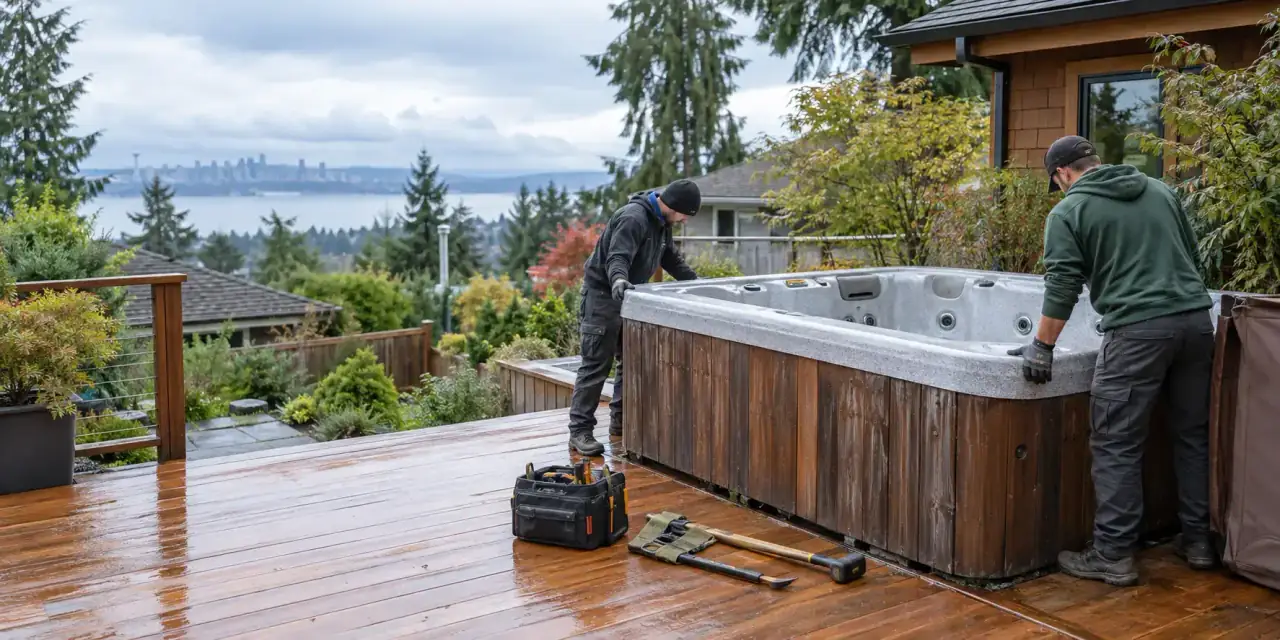
What this scope can cover
- Freestanding acrylic spas
- Tubs set beside or within a deck
- Cabinet panels and ordinary internal components
- Agreed loading and site sweep after removal
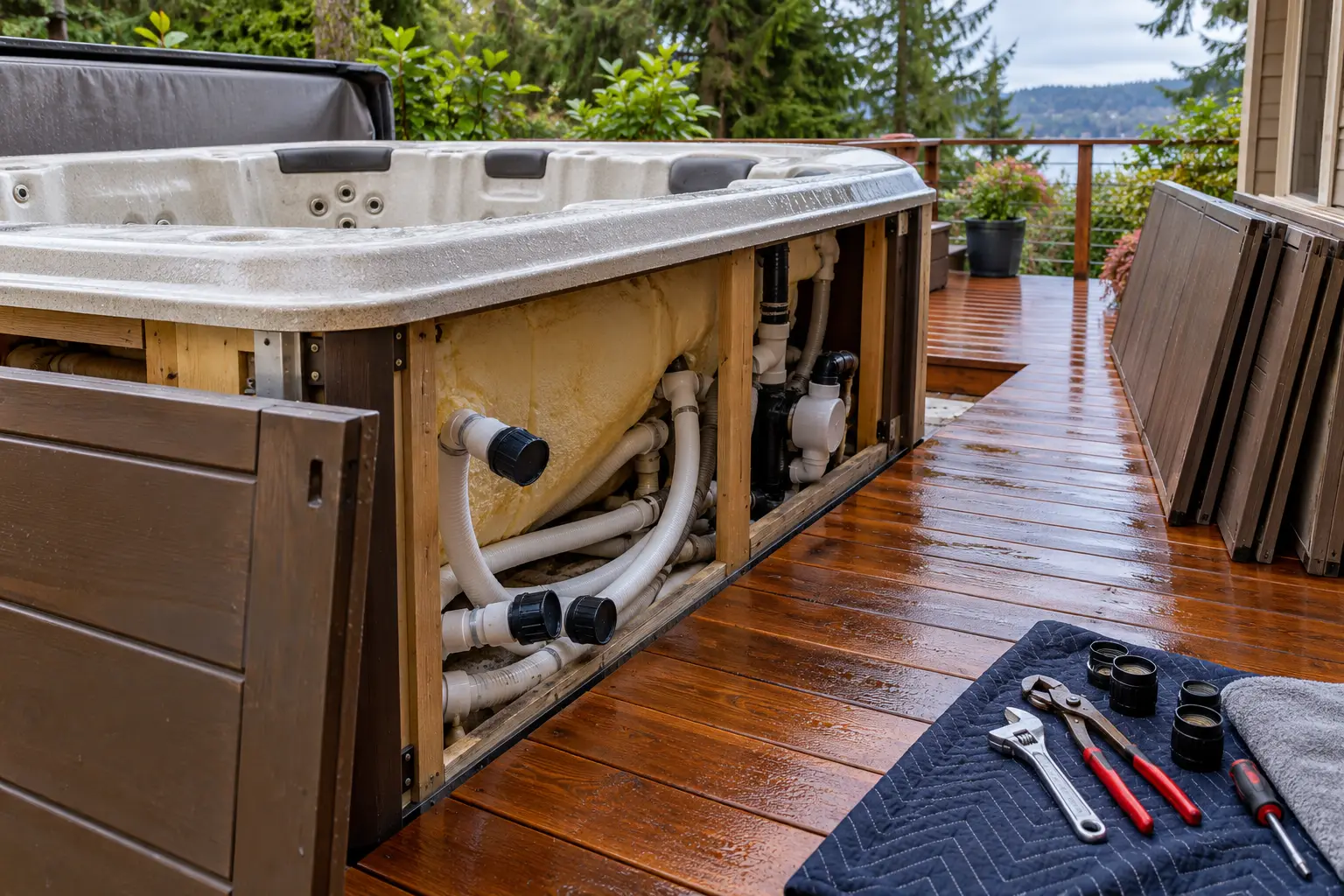
Prepare the site without creating a second project.
Share the current condition and leave heavy or unstable pieces in place. The goal is a useful assessment, not unpaid demolition before the estimate.
- 1Confirm that the tub is fully drained.
- 2Have electrical and gas connections made safe by the appropriate qualified trade.
- 3Photograph all four sides, the equipment bay, and the route to the street.
- 4Measure gates, stairs, turns, and the narrowest point on the route.
What shapes the estimate
Photos help with early planning. The final scope depends on the actual materials, access, and work agreed at the property.
- Tub dimensions and construction
- Freestanding versus built-in placement
- Distance and grade between the tub and loading area
- Deck, fence, or enclosure work included in scope
- Material separation and disposal requirements
Hot Tub Removal questions
See all FAQsCan the tub be removed in one piece?
Sometimes, but access and condition decide the method. A wide, level route may allow a whole-unit move. Tight gates, built-in decks, and brittle cabinets often require controlled disassembly.
Who disconnects the power?
Electrical and gas connections should be made safe before removal by the appropriate qualified trade. Share the disconnect status when requesting an estimate.
Do spa chemicals go with the tub?
No. Seattle Public Utilities treats pool and spa chemicals as household hazardous waste. Keep them separate and use the regional hazardous-waste program.
Define the scope before the crew arrives.
Use the estimate checklist to capture the item, access, utilities, and finish line.